AviClear is a 1726 nm diode laser that does something no earlier acne laser did: it targets the sebaceous (oil) gland itself, the structure at the root of inflammatory acne, rather than the bacteria or inflammation downstream. It is the first energy device cleared by the FDA specifically for active acne, including severe inflammatory disease, and it is cleared as safe for every skin type. For a patient who has not responded to topicals, does not want oral medication, or cannot take isotretinoin, that is a genuinely new option — and it is worth understanding precisely what the clearance means and what the evidence does and does not show.
This article covers what AviClear is, how it works, what the FDA actually cleared and on what evidence, who is and is not a good candidate, the cost, and the honest limits. It is educational and not a substitute for individualized care from a board-certified dermatologist.
What AviClear is and how it works
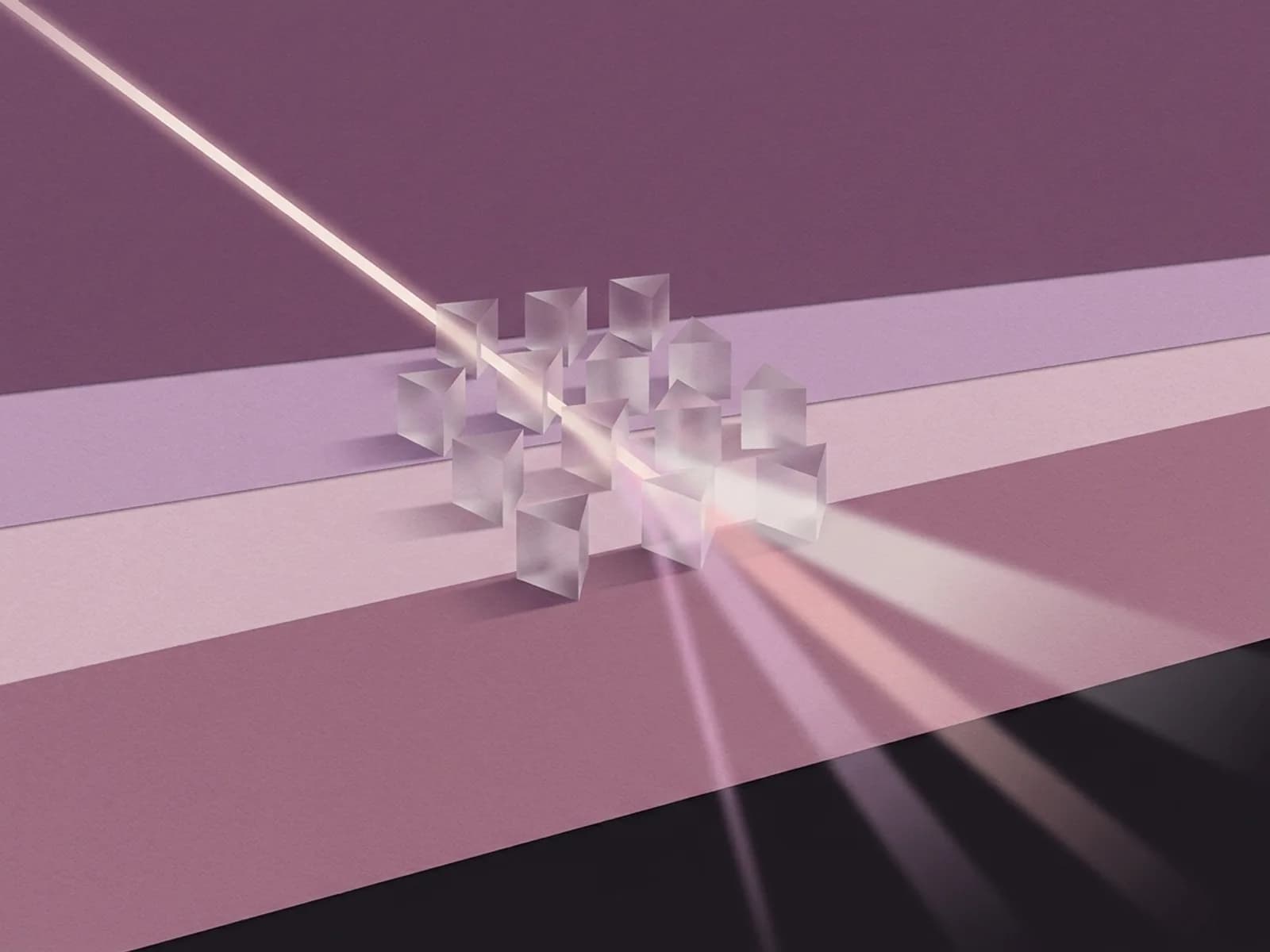
AviClear delivers laser energy at a wavelength of 1726 nanometers, generated by an indium phosphide (InP) diode. That wavelength sits near an absorption band associated with lipid-rich tissue, which lets the energy be taken up preferentially by the sebaceous gland. The mechanism is selective photothermolysis of the sebocytes — the energy heats and disables the oil-producing cells in the gland. Suppressing the gland reduces sebum output and, with it, the fuel for inflammatory acne.
The device uses a small (3 mm) spot or a 7-spot array, contact cooling through a sapphire plate to protect the skin surface, and treats to a target fluence (energy density) rather than to a visible clinical endpoint, because there is no visible change to watch for at the moment of treatment. A session covers the full face in passes.
What "FDA-cleared" actually means here — and the pathway that matters
AviClear was cleared through the 510(k) pathway (submission K213461), not approved through the more demanding premarket approval (PMA) process. In 510(k), a device is cleared when the FDA judges it "substantially equivalent" to a legally marketed predicate device. AviClear's predicate was the Candela Smoothbeam 1450 nm laser (K041242) — an older diode laser also used for acne and sebaceous-gland targets. The product code is GEX (powered laser surgical instrument), regulation 21 CFR 878.4810.
Two things make AviClear's clearance atypical for a 510(k) and worth knowing:
It included a real pivotal clinical trial. Most 510(k) clearances rely on bench testing and equivalence, with no new human data. AviClear's clearance was supported by an FDA IDE-approved, prospective, multi-center, significant-risk study — the kind of clinical evidence more often associated with higher-risk device reviews.
The indication was later expanded. AviClear was first cleared in March 2022 for mild to severe inflammatory acne. In June 2023 the indication was expanded to long-term treatment of acne — the first acne therapy cleared to claim long-term effectiveness across mild, moderate, and severe disease, according to the manufacturer.
The distinction between "cleared" and "approved" is not pedantry. It tells a reader how much regulatory scrutiny the claim received. AviClear earned more scrutiny than a typical 510(k) because of its trial, but it did not go through PMA.
What the pivotal trial showed
The clearance study enrolled 104 subjects (59 female, 45 male), aged 16 to 40, across seven US centers. By design the population skewed to moderate and severe disease: 81 moderate and 22 severe at baseline, with only one mild case. Each subject received three treatments spaced two to five weeks apart.
The primary effectiveness endpoint was demanding by acne-trial standards: a "responder" had to achieve at least a 50% reduction in inflammatory lesion count at 12 weeks after the final treatment, and the study had to show that more than half of enrolled subjects hit that bar. The results supported clearance.
Durability claims come from manufacturer-supported follow-up data, which should be read as company-reported until independently confirmed: roughly 90% of patients showed visible improvement at six months after the third session, rising to about 92% at 12 months, with the device positioned as a drug-free, prescription-free option. A subsequent one-year prospective multicenter study and a 2025 clinician consensus panel (published in the peer-reviewed literature) have reinforced that 1726 nm treatment is effective and tolerable across skin types, with a typical protocol of about 250–300 pulses per session updated in March 2024.
Skin of color: where AviClear has a genuine advantage
Acne in skin of color carries a complication that lighter skin does not face in the same way: post-inflammatory hyperpigmentation (PIH). Every inflamed pimple can leave a dark mark that outlasts the acne itself by months, and many acne treatments that irritate the skin (harsh topicals, certain peels) make PIH worse.
This is where a 1726 nm device is structurally attractive. Because its wavelength targets the sebaceous gland's lipid content rather than melanin, it is far less dependent on epidermal pigment than traditional pigment-targeting lasers or IPL — the very devices that burn and discolor darker skin. The pivotal trial enrolled a broad range of skin phototypes, and the clearance covers all skin types. For a Fitzpatrick IV–VI patient whose inflammatory acne is driving PIH, suppressing the source glands without provoking pigment is a real benefit. It does not erase existing PIH — that still requires separate management (sun protection, tyrosinase inhibitors, time) — but it can reduce the new lesions generating it.
The protocol in practice
A full AviClear course is three sessions, roughly four weeks apart, each lasting about 30 minutes in the manufacturer's protocol (some clinics report 50–60 minutes with setup and the second-pass treatment over problem areas). The treatment is global to the face in a first pass, with a second pass concentrated over active areas. There is no isotretinoin-style systemic course, no blood monitoring, and no pharmacy involvement.
Most patients are treated as monotherapy or in combination with existing topical and oral regimens; the consensus guidance is that patients already on acne medication can often continue, but this is a provider decision. Insurance does not cover AviClear.
Who is and is not a candidate
AviClear fits a specific patient well:
Moderate to severe inflammatory acne that has not adequately responded to topicals, or where the patient wants to avoid or reduce oral medication.
Patients who decline or cannot take isotretinoin — including those who are not appropriate for systemic therapy, or who do not want the monitoring, teratogenicity, and side-effect profile of an oral retinoid.
Skin of color patients whose priority is controlling inflammatory lesions without provoking PIH.
Patients who want a drug-free option and can pay out of pocket.
It fits less well, or not at all, for:
Purely comedonal (blackhead/whitehead) acne. The trial data and clearance center on inflammatory lesions; comedonal disease is not the device's strength, and the published evidence explicitly notes comedonal response is under-characterized.
Patients expecting instant clearance. Improvement builds over weeks, can involve a temporary "purge," and continues to mature out to 12 months. The treatment is not finished when the third session ends.
Patients looking for the cheapest option. This is a cash-pay device treatment, not a $20 generic.
Patients with a recent isotretinoin course, active skin infection, or who are pregnant or nursing. Clinics that follow standard device candidacy typically defer treatment in these groups (a recent isotretinoin course is a common six-month exclusion), reflecting general energy-device caution rather than a specific AviClear contraindication.
Anyone who reads "laser" as a guarantee. Roughly 8–10% of patients in the manufacturer's follow-up did not show visible improvement at the timepoints reported; real-world results depend heavily on provider technique, and published clinician guidance stresses that pulse count and pass strategy matter.
Pain, and a numbing caveat patients should know
AviClear is routinely described as uncomfortable, and pain is one of the most consistent patient complaints. A peer-reviewed clinician consensus places the discomfort at roughly 5–6 out of 10 on a visual pain scale (for context, the same authors rate laser tattoo removal around 9 out of 10), concentrated on the forehead, lip area, and chin. The device's contact cooling (AviCool) is the primary comfort measure, and the pain stops when the session ends.
One detail is worth knowing because it is counterintuitive: oil- or cream-based numbing agents are contraindicated before AviClear, per the same consensus guidance, because they can interfere with treatment and risk an adverse event. Clinicians who want to dull discomfort instead use oral acetaminophen and/or ibuprofen beforehand, acetone degreasing of the skin (which itself reduces pain), and water as a conductor during the pass. A patient offered "numbing cream" for an AviClear session should ask whether the clinic's protocol reflects this — it is a small but telling marker of whether the practice is following the device's actual use guidance.
What it costs
AviClear is sold as a package of three sessions. Reported pricing clusters around $2,500–$3,000 for the full three-session course, with per-session figures around $900–$1,000 and some markets (for example, high-cost cities) quoting $3,600–$4,000. It is not covered by insurance because it is a cosmetic/laser treatment, not a drug benefit. Many clinics offer financing. Anyone considering it should get an all-in quote before booking, since the headline "per session" price multiplied by three is the number that matters, and some practices bundle add-on laser services that inflate the total.
How it compares to the alternatives, honestly
The real comparison patients weigh is AviClear against isotretinoin (Accutane), because both go after severe disease. The tradeoff: isotretinoin is oral, systemic, teratogenic (requiring contraception and monitoring), can cause dryness and lipid changes, and carries a heavy regulatory burden — but it has decades of data and can produce durable remission. AviClear is local, drug-free, has no systemic monitoring requirement, and is safe in pregnancy-adjacent contexts where isotretinoin is absolutely contraindicated — but its evidence base is younger, its durability claims are largely manufacturer-supported, and it costs thousands out of pocket.
There is a second 1726 nm device, Accure, that treats to a target epidermal temperature rather than a target fluence. Accure has been US FDA-cleared since K222109 (November 17, 2022), with a later long-term-treatment 510(k) K242035 (October 11, 2024). Older comparisons that still call Accure investigational in the United States are out of date. There is still no published head-to-head trial. For clearance dates, PET versus fluence, the 2024 Accure tracking recall, and cost math, see Accure vs AviClear.
What to ask a provider
Is my acne the kind AviClear is cleared for — inflammatory — or is it mostly comedonal? The answer changes expected benefit.
How many AviClear courses has this practice performed, and what pulse protocol do they use? Technique varies and affects outcomes.
What is the all-in price for three sessions, and is there a policy if I need more?
Will I continue my current topical or oral regimen during treatment, and who coordinates that?
What is the realistic timeline, and how should I manage a possible purge and existing dark marks in the meantime?
AviClear is a real addition to acne care — the first device cleared for severe inflammatory disease, safe across skin types, and drug-free. It is not a cure for everyone, it is not cheap, and its long-term numbers are still partly the manufacturer's. For the right patient, weighed against those honest limits, it is one of the more genuinely novel entries in aesthetic dermatology in recent years.
Sources
FDA 510(k) summary, AviClear Laser System (K213461) — indication, predicate, pivotal trial design and results: https://www.accessdata.fda.gov/cdrh_docs/pdf21/K213461.pdf
American Med Spa Association (AmSpa) — AviClear FDA clearance as long-term acne treatment (June 2023): https://www.americanmedspa.org/news/cuteras-aviclear-scores-fda-nod-as-long-term-acne-treatment
Skin Therapy Letter, 1726 nm lasers for the treatment of acne vulgaris — AviClear vs Accure comparison, mechanism, protocol: https://www.skintherapyletter.com/acne/1726-nm-lasers
Peer-reviewed consensus: PMC, consensus panel recommendations for a contact-cooled 1726 nm laser for acne (2025): https://pmc.ncbi.nlm.nih.gov/articles/PMC12856072
Peer-reviewed: Alexiades M, et al. Novel 1726 nm laser demonstrates durable therapeutic outcomes and tolerability for moderate-to-severe acne across skin types. J Am Acad Dermatol. 2023;89(4):703-710: https://doi.org/10.1016/j.jaad.2023.05.085
The Dermatology Digest — 1726 nm laser clinical context and use in treatment-resistant acne: https://thedermdigest.com/3-lasers-for-acne-treatment
Peer-reviewed consensus (Bhatia et al., Practical Dermatology) — pain scale, numbing contraindication, protocol optimization: https://clear-acne-dot-com.squarespace.com/s/Dermatology-Digest-2024-Bahtia-et-al.pdf
AviClear manufacturer (Cutera) — indication, safety, and protocol claims: https://aviclear.com/en-us/why-aviclear