What is Prollenium's Revanesse line, how is it structured under FDA PMA P160042, what does the MAUDE record show, and how does it compare to Juvéderm and Restylane as a value-forward alternative?
Prollenium Medical Technologies (Aurora, Ontario, Canada) markets its U.S. Revanesse line under a single FDA PMA, P160042, with the original approval 2017-08-04 for Revanesse Versa (mid-to-deep dermis correction of moderate-to-severe facial wrinkles and folds, e.g., nasolabial folds, in adults 22+); P160042 has since accumulated 24 supplements, including Revanesse Lips+ (approved 2020-09-21 via S010) and Revanesse Ultra/Versa+ (with lidocaine). The technology is the Thixofix cross-linking process (25 mg/mL crosslinked HA + 0.3% lidocaine) producing a smooth, uniform gel with consistent particle size, and Revanesse ships in a larger 1.2 mL syringe versus most competitors' 1.0 mL. openFDA MAUDE lists 208 reports under Revanesse brand names (194 Injury, 14 Malfunction), with Versa+ 1.2 mL (52), Lips+ 1.2 mL (40), Revanesse (15), and Versa (11) the most-reported. There was one FDA recall (Z-1146-2020, Revanesse Versa PN40081, initiated 2018-11-15, Terminated) and zero deaths in the extract. Revanesse is positioned as a value-forward alternative to Juvéderm and Restylane (typically lower per-syringe cost) with a smoother-texture, lower-swelling claim, but it has fewer U.S.-approved indications (two core products) than Restylane (nine).
How is Prollenium's US portfolio structured under the single FDA PMA P160042, and what is the Versa/Lips+ timeline?
In the highly consolidated U.S. dermal filler market, Prollenium Medical Technologies Inc. stands out as a privately held, independent manufacturer based in Aurora, Ontario, Canada. Founded in 2002, Prollenium manages its entire U.S. commercial filler line under a single Premarket Approval (PMA) family: P160042.
This single-PMA regulatory pathway matches the strategy of Teoxane SA (P170002) and offers a streamlined compliance footprint compared to larger competitors. All Revanesse products are classified under product code LMH (Dermal Implant, Class III medical device) and are manufactured in Prollenium's state-of-the-art facility in Canada, which is audited under the Medical Device Single Audit Program (MDSAP).
Revanesse US Approval Timeline
The P160042 family has accumulated 24 supplements, representing key product additions and indication expansions:
Original Approval (August 4, 2017): The FDA approved P160042 for Revanesse Versa (an un-lidded formulation of 25 mg/mL cross-linked hyaluronic acid). The approved indication was for the correction of moderate-to-severe facial wrinkles and folds, such as nasolabial folds, in patients aged 22 and older. This marked Prollenium's formal entry into the U.S. aesthetics market.
Lidocaine Integration (2018): The FDA approved the lidocaine-containing Revanesse Versa+ and Revanesse Ultra+, integrating 0.3% lidocaine hydrochloride to improve patient comfort during injection.
Revanesse Lips+ Approval (September 21, 2020 - Supplement S010): A major portfolio expansion occurred with the approval of Revanesse Lips+, a formulation optimized specifically for submucosal lip augmentation. The approval was supported by a dedicated U.S. clinical trial demonstrating low rates of dynamic swelling, which became a key marketing claim for the brand.
This regulatory history has allowed Prollenium to build a targeted, two-indication product offering (nasolabial folds and lips) that directly competes with the most common treatment areas in clinical practice. The simplified regulatory footprint is summarized below:
| Product Variant | FDA Approval (P160042) | HA Concentration | Lidocaine | Syringe Volume | Primary Approved Indication | Target Injection Depth |
|---|---|---|---|---|---|---|
| Revanesse Versa | 2017-08-04 | 25 mg/mL | None | 1.2 mL | Nasolabial folds | Mid-to-deep dermis |
| Revanesse Versa+ | 2018 | 25 mg/mL | 0.3% | 1.2 mL | Nasolabial folds | Mid-to-deep dermis |
| Revanesse Lips+ | 2020-09-21 (S010) | 25 mg/mL | 0.3% | 1.2 mL | Lip augmentation | Submucosa (lips) |
| Revanesse Ultra+ | 2018 | 25 mg/mL | 0.3% | 1.2 mL | Deep folds / volume deficit | Mid-to-deep dermis |
What is Thixofix cross-linking technology, and why does Revanesse ship in a 1.2 mL syringe?
To succeed against established brands, Prollenium developed two key differentiators: a proprietary chemical cross-linking process known as Thixofix, and a unique packaging model that offers a 20% volume advantage.
Thixofix Cross-Linking Technology
Hyaluronic acid in its natural state is a liquid that is rapidly broken down by the body's endogenous hyaluronidase enzymes (usually within 24–48 hours). To make it a durable implant, manufacturers cross-link the HA chains with a chemical agent, typically 1,4-butanediol diglycidyl ether (BDDE).
Prollenium’s proprietary Thixofix cross-linking process is designed to maximize cross-linking efficiency while minimizing chemical modification. The process yields a highly organized, monophasic gel with distinct physical properties:
Spherical Particle Uniformity: Unlike biphasic fillers that contain irregular particles suspended in a carrier fluid, Thixofix produces perfectly spherical, uniform gel particles. This uniformity reduces the extrusion force required to push the gel through fine needles (e.g., 30G), giving the injector greater control.
High Molecular Weight HA: Thixofix utilizes high molecular weight hyaluronic acid (exceeding 2.4 MDa). This enables the formation of a stable, cohesive meshwork at a standard concentration of 25 mg/mL.
Low BDDE Residue: The cross-linking process is designed to ensure that a high proportion of the BDDE molecules are bound at both ends (active cross-links) rather than leaving single-bound pendant molecules, reducing potential immunogenic reactions.
Rheological Profiles
The Thixofix process shapes the rheological parameters of the Revanesse gel:
Elastic Modulus ($G'$): Revanesse Versa exhibits a moderate $G'$ (~150 Pa), providing sufficient lift for nasolabial folds without the rigidity of high-$G'$ fillers like Restylane Classic.
Cohesivity: The gel displays high cohesivity, meaning the spherical particles resist separation under shear stress, keeping the gel localized and reducing the risk of migration.
Low Swelling Capacity: Because the HA network is highly cross-linked and uniform, the gel has a lower water-uptake capacity post-injection compared to traditional HA gels. In clinical terms, this reduces the "delayed swelling" that can occur 24–48 hours post-treatment, making the immediate result highly reflective of the final outcome. We profile this technology within the broader context of hyaluronic acid cross-linking science.
The 1.2 mL Syringe Value Proposition
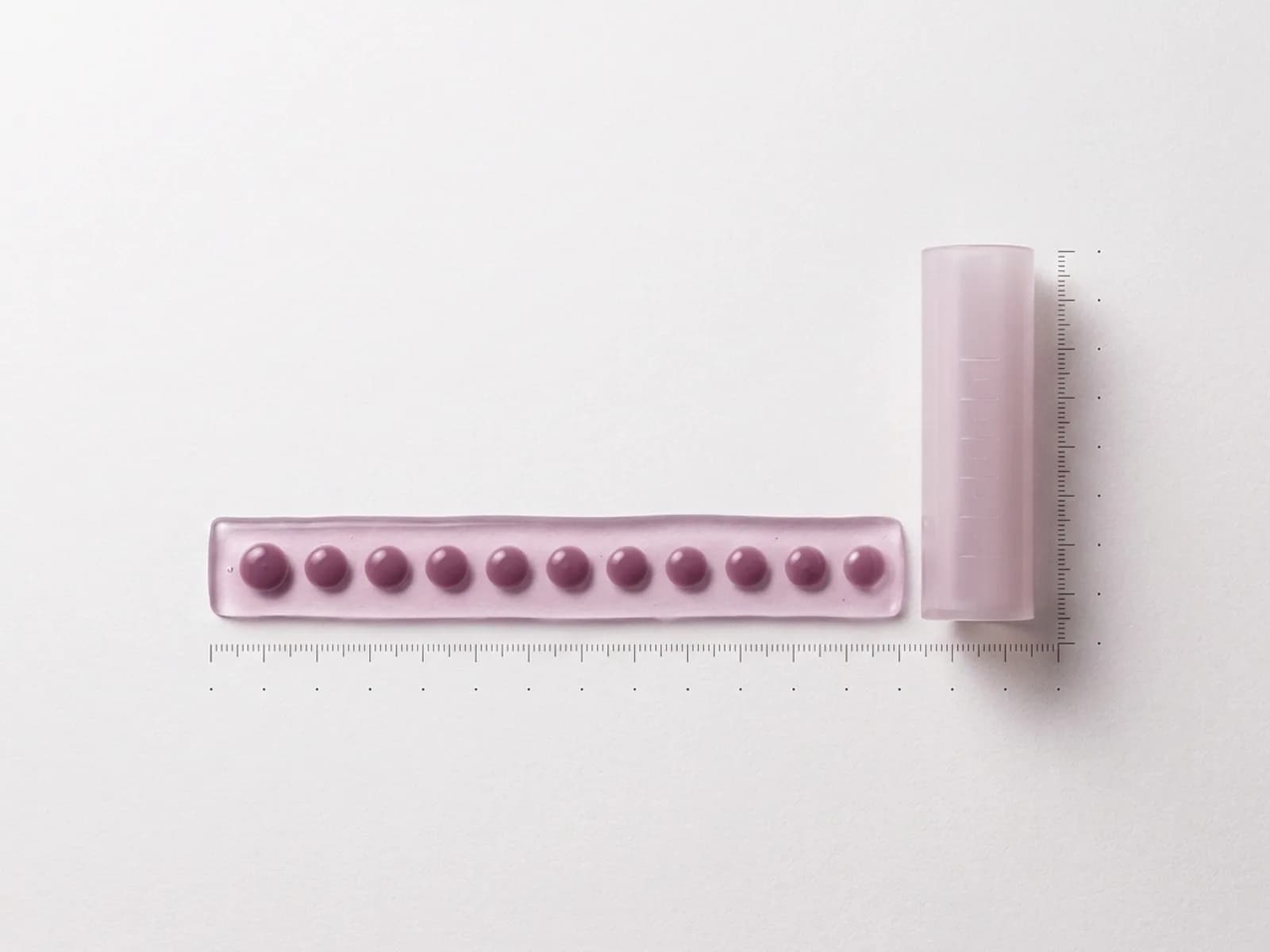
A major commercial differentiator is that Revanesse Versa and Lips+ ship in 1.2 mL syringes, whereas almost all other U.S. dermal fillers (including Juvéderm, Restylane, Belotero, and RHA) ship in 1.0 mL syringes.
    SYRINGE VOLUME COMPARISON
    ┌────────────────────────────────────────────────────────┐
    │ [████████████████████████████████████████ ] Revanesse (1.2 mL)│
    │ [█████████████████████████████████] Competitors (1.0 mL)     │
    └────────────────────────────────────────────────────────┘
This 20% volume advantage has direct clinical and financial implications:
Treatment Completeness: In facial aesthetics, a 1.0 mL syringe can sometimes fall slightly short of achieving full correction in bilateral nasolabial folds or both the upper and lower lips. The extra 0.2 mL often allows the injector to achieve complete, symmetrical correction without requiring the purchase of a second syringe.
Syringe Economics: For the clinic operator, the cost-per-milliliter of Revanesse is significantly lower than competitor products, allowing the med spa to offer value-forward pricing while maintaining strong margins. We discuss these cost structures in our guide to lip filler costs.
What does the MAUDE record and the 2018 terminated recall show, and how does Revanesse compare to Juvéderm and Restylane?
To evaluate the safety profile of the Revanesse portfolio, we must analyze the post-market adverse event reports in the FDA's MAUDE database. A search for confirmed Revanesse brand names yields 208 total reports.
MAUDE Adverse Event Profile
The Revanesse dataset is characterized by an injury-heavy profile:
Injury Reports: 194 cases (93.3% of the dataset). These represent tissue-level reactions, including swelling, localized erythema, hypersensitivity, delayed-onset nodules, and transient ischemia.
Malfunction Reports: 14 cases (6.7%). These represent packaging or delivery issues, such as syringe glass breakage or luer-lock hub leaks.
Death Reports: Zero cases (0%).
Recall Record: One terminated recall is recorded in the FDA database.
Brand-Specific Adverse Event Distribution
The MAUDE reports are distributed across Prollenium's U.S. product configurations:
MAUDE REPORTS BY REVANESSE CONFIGURATION (Total: 208)
┌────────────────────────────────────────────────────────┐
│ [██████████████ ] Versa+ 1.2 mL (52 reports)           │
│ [███████████     ] Lips+ 1.2 mL (40 reports)           │
│ [████            ] Revanesse (unspecified) (15 reports)│
│ [███             ] Versa (un-lidded) (11 reports)      │
│ [██████████████████████ ] Other / Unmapped (90 reports)│
└────────────────────────────────────────────────────────┘
This distribution aligns with commercial usage, with the lidocaine-containing Versa+ and Lips+ 1.2 mL configurations representing the vast majority of U.S. injections.
The 2018 Terminated Recall (Z-1146-2020)
Prollenium’s regulatory record contains one FDA device recall: Z-1146-2020, targeting Revanesse Versa, Lot PN40081. Clinical directors and compliance officers should read it from the primary record rather than a summary:
Scope and status: The recall was initiated by Prollenium on November 15, 2018, and its status is officially Terminated, meaning the FDA is satisfied that the firm's corrective actions have been completed and the event is closed.
Root cause: FDA records classify the root cause under the catch-all category "Other." Because the public recall entry does not specify a detailed failure mechanism, we do not speculate on one here; readers who need the mechanism should pull the recall record (Z-1146-2020) directly.
Today's relevance: A single Terminated recall from 2018 on one lot is not an ongoing safety signal, but it is the kind of item a buyer or compliance team will surface in due diligence and should be prepared to explain.
Revanesse vs. Juvéderm vs. Restylane: A Comparative Evaluation
For clinical directors, choosing whether to stock Revanesse alongside market leaders like Juvéderm and Restylane requires balancing clinical utility, indication depth, and economics:
| Parameter | Revanesse (Prollenium) | Juvéderm (Allergan) | Restylane (Galderma) |
|---|---|---|---|
| Regulatory Footprint | Single PMA (P160042) | Multiple PMAs (e.g., P050047, P110033) | Four PMA Families (P020023, P040024, etc.) |
| Manufacturing Origin | Aurora, Ontario, Canada | Pringy, France | Uppsala, Sweden |
| Technology Platform | Thixofix (Spherical HA) | Vycross / Hylacross | NASHA / OBT (XpresHAn) |
| Standard Syringe Size | 1.2 mL | 1.0 mL (some Ultra 0.55 mL) | 1.0 mL |
| US-Approved Indications | 2 Core Areas (Nasolabial folds, Lips) | 5+ Areas (Folds, Lips, Cheeks, Chin, Jawline) | 5+ Areas (Folds, Lips, Cheeks, Hands, Tear troughs) |
| Average Cost Positioning | Value-Forward (~$75–$150 lower wholesale per syringe) | Premium / Premium Plus | Premium / Tiered |
| Post-Market MAUDE Volume | 208 Reports | High (Reflecting ~15+ years of market dominance) | 3,264 Reports (Reflecting ~20+ years of dominance) |
Clinical Suitability and Placement Logic
When Revanesse is Preferred: For patients seeking cost-effective correction of nasolabial folds or lip augmentation. Its low swelling capacity makes it particularly useful for lip injections in patients prone to fluid retention or those who require immediate, predictable results without significant downtime.
When Juvéderm or Restylane is Preferred: For patients requiring highly specialized or deep structural treatments outside the nasolabial folds and lips. Restylane Eyelight remains the preferred choice for tear trough correction due to its specific FDA indication and targeted rheology, while Restylane Lyft or Juvéderm Voluma are preferred for deep supraperiosteal cheek and jawline lifting where a higher elastic modulus ($G'$) is needed. We contrast these manufacturer footprints in our sibling analysis of the Allergan Aesthetics portfolio.
Clinical Trial Evidence Depth
Prollenium’s regulatory submissions are supported by 7 clinical studies registered on ClinicalTrials.gov.
1. Revanesse Versa U.S. pivotal program (nasolabial folds)
The FDA approval of Revanesse Versa for nasolabial folds was supported by a split-face, non-inferiority pivotal program against an approved hyaluronic-acid comparator, using the validated 5-point Wrinkle Severity Rating Scale (WSRS) as the primary measure. Across the clinical program more than 300 subjects were treated, and Versa met the non-inferiority bar against its comparator. The program established the basic safety and efficacy of the Thixofix formulation; the comparative marketing claim ("as good as Juvéderm/Restylane for folds") rests on this non-inferiority, not on superiority.
2. Revanesse Lips+ U.S. pivotal study (lip augmentation)
The approval of Revanesse Lips+ was supported by a double-blind, randomized, controlled, multicenter study against Restylane Silk as the active comparator.
Design: 80 subjects received Revanesse Lips+ and 78 received the Restylane Silk comparator (roughly a 1:1 allocation, 158 treated subjects overall), per the FDA SSED (P160042/S010).
Efficacy and safety: Lips+ demonstrated non-inferiority to Restylane Silk on the lip fullness endpoint, with very similar adverse-event rates between the two arms (the SSED's treatment-emergent adverse-event table shows nearly identical injection-site swelling, ~87–90%, in both groups). The lower-swelling positioning that Prollenium markets is best read as a formulation/rheology claim rather than a head-to-head superiority result from this trial — the comparator arm swelled at essentially the same rate.
Thixofix Chemistry and Rheology vs. Competitors
To understand the mechanical behavior of Revanesse under clinical conditions, it is necessary to analyze the physical parameters shaped by the Thixofix cross-linking process. These are compared below against Allergan's Hylacross/Vycross and Galderma's NASHA platforms.
1. Shear-Thinning Properties (Thixotropy)
A gel is "thixotropic" if its viscosity decreases under shear stress (such as pressure from the syringe plunger) and recovers its original thickness when the stress is removed.
Revanesse: Thixofix produces uniform, spherical particles that slide past one another easily. When extrusion force is applied, the viscosity drops sharply, allowing the gel to flow smoothly through a 30G needle. Once placed in the tissue and the shear stress drops to zero, the gel instantly recovers its elasticity ($G'$), providing immediate structural lift.
Traditional biphasic gels: Biphasic fillers with irregular particles require a higher, sometimes fluctuating extrusion force to push the particles through the needle, which can lead to irregular bolus delivery.
2. Cohesivity and Resistance to Migration
Cohesivity represents the affinity between gel particles (how well they stick together).
High Cohesivity (Revanesse & Vycross): Revanesse behaves as a cohesive unit. When placed in high-motion areas (like the lips), the gel stretches and deforms in response to muscle activity (orbicularis oris) but does not break apart or migrate into adjacent tissues (preventing the "filler mustache" look).
Low Cohesivity (NASHA): Gels with lower cohesivity can separate into discrete particles under dynamic muscle shearing, making them better suited for deep, non-mobile structural injection (e.g., supraperiosteal malar lifting) rather than superficial mobile zones.
The 1.2 mL Syringe Value Analysis and Practice Economics
For medical directors and clinic operators, the choice of filler inventory is heavily influenced by financial margins and treatment efficiency. The table below outlines the mathematical advantage of Revanesse's 1.2 mL syringe compared to standard 1.0 mL competitor fillers, assuming a standard clinic wholesale acquisition cost (WAC) and patient pricing:
| Financial / Clinical Parameter | Revanesse Versa+ (1.2 mL Syringe) | Competitor HA Filler (1.0 mL Syringe) | Revanesse Advantage / Variance |
|---|---|---|---|
| Syringe Volume | 1.2 mL | 1.0 mL | +0.2 mL (+20% volume) |
| Estimated Clinic WAC (per syringe) | $180.00 | $260.00 | -$80.00 (clinic cost saving) |
| Clinic Cost per Milliliter ($/mL) | $150.00 | $260.00 | -$110.00 (-42.3% per mL) |
| Standard Patient Price (per syringe) | $600.00 | $650.00 | -$50.00 (competitive retail edge) |
| Gross Margin per Syringe | $420.00 (70.0%) | $390.00 (60.0%) | +$30.00 (+10% margin increase) |
| Volume Required for Full Lip Correction | 1 Syringe (1.2 mL) | 1–2 Syringes (often 1.2–1.5 mL needed) | Saves patient cost of a 2nd syringe |
Clinical Margin Case Scenario
In clinical practice, a bilateral nasolabial fold correction frequently requires approximately 1.2 mL of product for complete, symmetrical correction in patients with moderate-to-severe folds.
With a 1.0 mL competitor: The injector must either accept sub-optimal correction, or open a second 1.0 mL syringe, increasing the patient's retail cost from $650.00 to $1,300.00 and leaving 0.8 mL of unused product (which must be discarded, as syringes are single-patient use).
With Revanesse 1.2 mL: The injector achieves complete correction with a single syringe, saving the patient money and maintaining high clinic efficiency.
Safety Protocol: Managing Delayed-Onset Inflammatory Nodules
While Revanesse exhibits a favorable safety profile, the MAUDE database shows that the vast majority of adverse events are tissue-level reactions (194 out of 208 reports), including delayed-onset inflammatory nodules. These nodules present as firm, palpable, sometimes tender lumps that appear weeks or months post-injection.
Diagnosis and Triage
Delayed-onset nodules must be clinically distinguished from immediate injection-site responses:
Immediate Lumps (Day 1-7): Typically represent localized swelling, minor hematoma (bruising), or poorly placed filler. These usually resolve spontaneously or respond to simple mechanical massage.
Delayed Nodules (Week 4+): Represent a late-onset foreign-body inflammatory response, often triggered by a systemic immune stimulus (such as a viral illness, dental work, or vaccination) that causes the host immune system to react to the encapsulated HA gel.
Intervention Protocol
The agent and unit ranges below summarize published management approaches for trained clinicians and are illustrative only. Antibiotic choice, hyaluronidase dosing, and intralesional regimens depend on the clinical scenario, local resistance patterns, and the provider's scope and training; follow current society guidance and the patient, not a fixed recipe.
If a patient presents with a persistent delayed-onset nodule, clinical teams should follow this step-by-step management protocol:
Step 1: Rule Out Infection: If the nodule is erythematous, warm, fluctuant, or tender, suspect a subclinical bacterial infection (biofilm). Start oral antibiotics immediately:
Ciprofloxacin (500 mg twice daily) or a combination of Clarithromycin (500 mg twice daily) and Rifampin (300 mg twice daily) for 10–14 days.
Do not inject steroids or hyaluronidase into a suspected active bacterial biofilm, as this can cause systemic spread of infection.
Step 2: Enzymatic Dissolution (Hyaluronidase): Once infection is ruled out or covered by antibiotics, dissolve the target gel using hyaluronidase:
Inject 150 to 300 units of hyaluronidase directly into the nodule body.
Perform firm massage to distribute the enzyme. Because Revanesse has a uniform, monophasic structure, it typically responds quickly to a single treatment.
Step 3: Anti-inflammatory Therapy: For persistent, non-infectious inflammatory nodules that do not fully dissolve, administer an intralesional injection of a steroid/antimetabolite blend:
Infiltrate the nodule with a mixture of Triamcinolone Acetonide (TAC, 40 mg/mL) and 5-Fluorouracil (5-FU, 50 mg/mL), typically blended in a 1:9 ratio (0.1 mL TAC + 0.9 mL 5-FU). This blend reduces inflammation and limits fibroblast activity without the risk of local tissue atrophy associated with high-dose steroids alone.
FAQ
Is Revanesse Versa FDA-approved, and what is it cleared for?
Yes, Revanesse Versa is FDA-approved under the PMA number P160042 (approved August 4, 2017). It is cleared for injection into the mid-to-deep dermis for the correction of moderate-to-severe facial wrinkles and folds, such as nasolabial folds, in adult patients aged 22 and older. The lidocaine-containing version (Versa+) and the lip-optimized version (Lips+) are also fully FDA-approved under the same PMA family.
Is Revanesse Versa cheaper than Juvéderm and Restylane, and is it as good?
Revanesse Versa is typically positioned as a value-forward alternative, with wholesale syringe costs to clinics and subsequent treatment costs to patients often running $75 to $150 lower per syringe than Juvéderm or Restylane. Clinical trials have demonstrated equivalent efficacy (non-inferiority) to comparator fillers for nasolabial fold correction. While it offers excellent smoothness and a lower swelling profile due to its Thixofix technology, it has fewer FDA-cleared indications (only nasolabial folds and lips in the U.S.) compared to the broader portfolios of Juvéderm and Restylane, which offer specialized formulations for cheek lifting, hand volume, and infraorbital hollows.
Sources
FDA Premarket Approval (PMA) Database, P160042 (Revanesse Versa): https://www.accessdata.fda.gov/scripts/cdrh/cfdocs/cfpma/pma.cfm?id=P160042
FDA Summary of Safety and Effectiveness Data (SSED), P160042/S010 (Revanesse Lips+): https://www.accessdata.fda.gov/cdrh_docs/pdf16/P160042S010B.pdf
Prollenium Medical Technologies Inc. - Revanesse Product Portfolio (Versa, Lips+, Ultra): https://www.revanesse.com/
FDA Medical Device Recall Database, Z-1146-2020 (Revanesse Versa Lot PN40081): https://www.accessdata.fda.gov/scripts/cdrh/cfdocs/cfres/res.cfm?id=179503
U.S. National Institutes of Health ClinicalTrials.gov registry (Lead Sponsor: Prollenium): https://clinicaltrials.gov/
Portrait Care clinical guide - Prollenium medical products (1.2 mL syringe and Thixofix cross-linking): https://www.portraitcare.com/post/prollenium-medical-products-complete-guide-for-aesthetic-practices
Medica Depot comparative review - Revanesse vs Restylane (formulations and indications): https://www.medicadepot.com/blog/revanesse-vs-restylane.html