Laser hair removal is one of the most commonly performed aesthetic procedures in the United States. The American Society of Plastic Surgeons groups laser hair removal under its "skin treatment" category alongside IPL, laser tattoo removal, and laser treatment of leg veins. In 2024, this combined category accounted for over 1 million procedures among ASPS member surgeons alone, with laser hair removal representing a significant share.
Despite its popularity, the term "laser hair removal" is itself a simplification. Multiple device categories are used — alexandrite lasers, diode lasers, Nd:YAG lasers, and IPL (intense pulsed light) devices — and they differ significantly in wavelength, melanin absorption, depth of penetration, and safety profile across skin tones. Choosing the wrong device type for your skin can mean wasted money, ineffective treatment, or pigment changes that take months to resolve.
This guide covers how laser hair removal works, which laser matches which skin and hair type, how many sessions to expect, what it costs, and what the FDA actually cleared.
How laser hair removal works
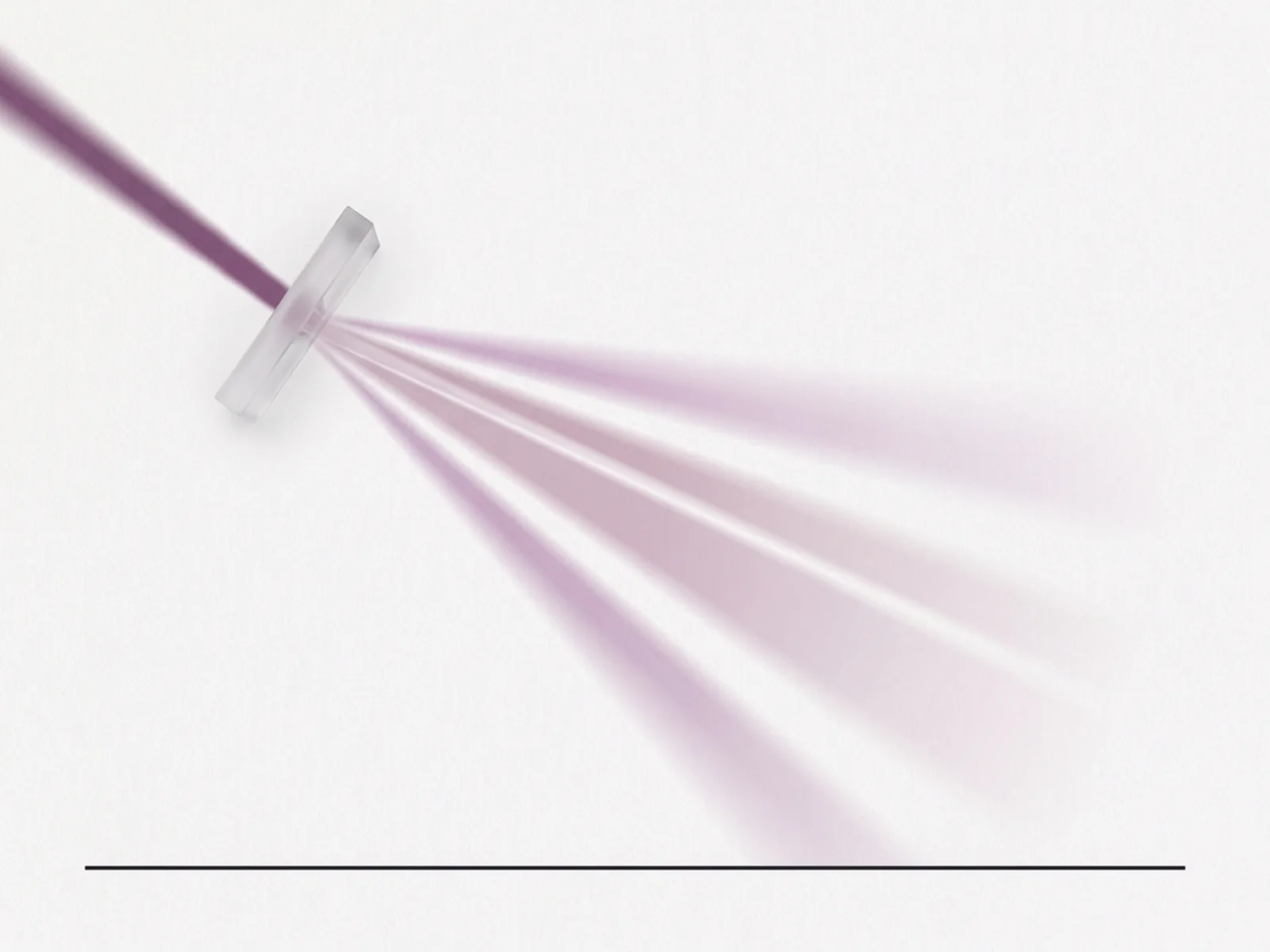
All laser and light-based hair removal devices target melanin — the pigment that gives hair its color. When the light energy is absorbed by melanin in the hair shaft and follicle, it converts to heat. If enough heat accumulates, it damages or destroys the follicle's ability to produce new hair.
This mechanism explains three critical constraints:
Hair must contain melanin. Blonde, red, grey, and white hair have little to no melanin and respond poorly or not at all to laser treatment.
The surrounding skin must not absorb too much energy. Darker skin contains more melanin in the epidermis, which competes with the hair follicle for energy absorption. This is why the choice of wavelength is critical for skin of color — the wrong laser causes burns, blistering, or post-inflammatory hyperpigmentation.
Hair must be in the active growth phase (anagen). At any given time, only 20–30% of hair follicles are in anagen. This is why multiple sessions — typically 6 to 8 — are required, spaced to catch successive waves of follicles entering the growth phase.
The four device categories
Alexandrite laser (755 nm)
The alexandrite laser emits light at 755 nm, which is strongly absorbed by melanin. This makes it highly effective at disabling pigmented hair follicles quickly.
Best for: Fitzpatrick skin types I–III (fair to medium-light skin) with dark hair. Alexandrite achieves 70–85% hair reduction after 6–8 sessions in ideal candidates.
Strengths: Fast treatment times due to large spot sizes and rapid repetition rates. Effective on large body areas like legs and back. Often achieves visible results in fewer sessions than other modalities.
Limitations: The high melanin absorption that makes it effective on hair also makes it risky on darker skin. In Fitzpatrick IV–VI, alexandrite increases the risk of burns, blistering, and post-inflammatory hyperpigmentation. It is not appropriate for tanned skin.
Common devices: Candela GentleLase Pro, Cynosure Apogee.
Diode laser (800–810 nm)
The diode laser operates at 800–810 nm, offering moderate melanin absorption with deeper tissue penetration than alexandrite. It is considered the workhorse of clinical laser hair removal.
Best for: Fitzpatrick skin types II–V. Diode offers the broadest versatility across skin tones and hair types, from coarse to medium.
Strengths: Good balance of efficacy and safety across a wide range of skin types. Effective on thicker hairs. Widely available in clinical settings.
Limitations: Slightly slower treatment times than alexandrite. Less effective on fine or light-colored hair. May require more sessions than alexandrite in ideal candidates.
Common devices: Alma Soprano Titanium, Lumenis Lightsheer.
Nd:YAG laser (1064 nm)
The Nd:YAG laser operates at 1064 nm — the longest wavelength used for hair removal. It penetrates deeply and has lower melanin absorption at the epidermal level, making it the safest option for darker skin.
Best for: Fitzpatrick skin types IV–VI (medium-dark to dark skin). Also used for tanned skin and for treating deeper, coarser hair.
Strengths: Safest wavelength for darker skin tones. Can treat tanned skin without the pigment-change risk of shorter wavelengths. Effective on thick, deep-rooted hair.
Limitations: May require more sessions for finer hair. Results can develop more slowly compared to alexandrite in lighter-skinned patients. Some patients experience more discomfort during treatment.
Common devices: Candela GentleYAG Pro, Cutera excel HR.
Dual-wavelength systems
Several modern platforms combine alexandrite (755 nm) and Nd:YAG (1064 nm) in a single device, allowing providers to switch wavelengths based on the patient's skin type and the treatment area. The Candela GentleMax Pro is the most widely used example.
Dual-wavelength systems are not inherently better than single-wavelength devices — what matters is whether the provider selects the correct wavelength for your skin and hair type.
IPL (intense pulsed light) — not a laser
IPL devices emit broad-spectrum light across multiple wavelengths rather than a single coherent beam. They are not lasers, and they are not equivalent to laser hair removal.
At-home IPL devices use lower energy output and are cleared by the FDA for hair reduction. They can reduce hair growth with repeated use but require ongoing maintenance treatments and work best on high-contrast combinations (fair skin, dark hair).
Clinical IPL is more commonly used for treating pigmentation, redness, and sun damage than for hair removal. When used for hair reduction, IPL is less targeted than any true laser and carries a higher risk of paradoxical hypertrichosis (increased hair growth), particularly in skin type III.
The FDA does not classify IPL as laser hair removal. Patients seeking permanent hair reduction should confirm that their provider is using a true laser, not IPL, especially on the face.
What the FDA cleared — and what it did not
The FDA clears laser hair removal devices for "permanent hair reduction," not permanent hair removal. The distinction is important:
"Permanent hair reduction" means a stable, long-term reduction in the number of hairs regrowing after a treatment series. Clinical studies typically show 80–90% reduction in treated areas.
Some follicles may regenerate over time, particularly in hormonally sensitive areas (face, bikini line, chin). Hormonal changes from pregnancy, menopause, or conditions like PCOS can activate dormant follicles.
Most patients who complete a full series need 1–2 maintenance sessions per year to sustain results.
The FDA clears devices through the 510(k) pathway, which requires demonstration of substantial equivalence to a previously cleared device — not independent clinical trials. The American Academy of Dermatology (AAD) recommends having laser hair removal performed by a dermatologist or under a dermatologist's direct supervision.
How many sessions you need
Session count depends on the treatment area, hair thickness, hair color, skin type, and hormonal factors.
| Factor | Typical sessions |
|---|---|
| Dark coarse hair, fair skin | 6–7 |
| Medium hair | 7–8 |
| Fine or light hair | 8–10 |
| Hormonal areas (face, bikini) | 8–12+ |
| PCOS-related hair | 10–15+ with ongoing maintenance |
Sessions are spaced 4–8 weeks apart, timed to target follicles in the anagen (growth) phase. A single session treats approximately 20–30% of active follicles.
Cost
According to the American Society of Plastic Surgeons, the average physician/surgeon fee for laser-based skin treatments (a category that includes laser hair removal, IPL, laser tattoo removal, and leg vein treatment) was approximately $697 per session in 2024. Individual laser hair removal sessions are typically lower than this average because the category includes more complex procedures. Pricing varies widely by treatment area, geographic region, and device type.
| Area | Per session (USD) | Typical sessions | Total investment |
|---|---|---|---|
| Upper lip / chin | $75–150 | 6–8 | $450–1,200 |
| Underarms | $100–175 | 6–7 | $600–1,225 |
| Brazilian | $200–300 | 7–8 | $1,400–2,400 |
| Half legs | $250–400 | 6–8 | $1,500–3,200 |
| Full legs | $400–800 | 6–8 | $2,400–6,400 |
| Full back (male) | $300–600 | 6–8 | $1,800–4,800 |
| Full body | $500–900 | 6–8 | $3,000–7,200 |
Package pricing and membership plans typically save 15–20% compared to per-session rates. Maintenance sessions (1–2 per year) usually cost the per-session rate.
Side effects and risks
Common and temporary (1–3 days):
Redness (erythema) in the treated area
Mild swelling (perifollicular edema) around hair follicles
Sunburn-like sensation or tightness
Itching as treated hairs shed
Less common:
Blistering, particularly if the wrong wavelength is used for the patient's skin type
Temporary hyperpigmentation or hypopigmentation
Cold sore outbreaks in patients with a history of herpes simplex
Rare but serious:
Scarring
Permanent pigment changes
Paradoxical hypertrichosis (increased hair growth), more commonly with IPL and in skin type III
Patients with darker skin are at higher risk for pigment changes and should confirm that the provider is using an appropriate wavelength (Nd:YAG or carefully calibrated diode) and has experience treating their skin type.
Skin-of-color considerations
Laser hair removal in Fitzpatrick IV–VI skin requires specific wavelength selection and technique adjustments:
Nd:YAG (1064 nm) is the gold standard for darker skin tones. Its longer wavelength bypasses epidermal melanin and delivers energy safely to the deeper follicle.
Diode (800–810 nm) can be used with conservative settings and adequate cooling in skin types IV–V.
Alexandrite (755 nm) and IPL are generally not appropriate for Fitzpatrick V–VI skin due to the high risk of burns and post-inflammatory hyperpigmentation.
Adequate cooling (contact cooling, cryogen spray, or chilled air) is essential to protect the epidermis.
Test spots on a small area before full treatment are recommended for patients with darker skin.
The AAD emphasizes that complications from laser hair removal are more common when performed by untrained or unsupervised practitioners, particularly in patients with darker skin.
What to ask before booking
Before committing to laser hair removal, ask the provider:
What laser device and wavelength will be used? Is it appropriate for my skin type and hair color?
Who will perform the treatment — a physician, nurse, or technician? Is a dermatologist or physician supervising?
How many sessions does the provider estimate, and what does the package include?
Is a test spot available before full treatment?
What is the policy if results fall short of expectations?
Hormonal hair and PCOS
Polycystic ovary syndrome (PCOS) and other hormonal conditions (thyroid disorders, adrenal conditions) can stimulate dormant hair follicles to become active, producing new hair growth in areas previously treated. This does not mean laser hair removal does not work for PCOS patients — it does, and it is one of the most commonly recommended treatments for PCOS-related hirsutism. But expectations need to be adjusted:
PCOS patients typically need 8–12 or more sessions rather than the standard 6–8
Maintenance sessions may be needed more frequently (every 3–6 months rather than annually)
Treating the hormonal driver (often with an endocrinologist) alongside laser treatment produces the best results
Patients with active hormonal fluctuations should not be surprised by regrowth between sessions — this is expected, not a treatment failure
The AAD and NCBI StatPearls review both note that selecting the correct laser with appropriate parameters is especially important for patients with hormonal-related hair growth, as these patients may have varied hair thicknesses and skin tones in the same treatment area.
Preparing for treatment
In the weeks before a laser hair removal session:
Avoid sun exposure and tanning for 4–6 weeks. Tanned skin increases melanin competition and raises the risk of burns and pigment changes.
Do not wax, pluck, or use depilatory creams for 4–6 weeks before treatment. These methods remove the hair shaft, which the laser needs as a target. Shaving is acceptable and recommended 24 hours before the session.
Avoid retinoids, exfoliants, and irritating skincare on the treatment area for 3–5 days before.
Shave the treatment area 24 hours before the session. Short hair allows the laser energy to focus on the follicle beneath the skin rather than heating hair on the surface.
Inform the provider of any medications, particularly isotretinoin (requires a 6-month wait), photosensitizing drugs, or a history of cold sores (preventive antiviral medication may be prescribed).
When laser hair removal is not the right choice
Laser hair removal is not effective for:
Blonde, red, grey, or white hair (insufficient melanin)
Very fine vellus hair ("peach fuzz")
Patients currently on isotretinoin (Accutane) — wait at least 6 months after stopping
Patients who are pregnant, have active skin infections in the treatment area, or have a history of keloid scarring should consult a dermatologist before proceeding.
Sources
American Academy of Dermatology. "Laser hair removal: FAQs." https://www.aad.org/public/cosmetic/hair-removal/laser-hair-removal-faqs
American Society of Plastic Surgeons. "National plastic surgery statistics." https://www.plasticsurgery.org/documents/News/Statistics/2024/plastic-surgery-statistics-full-report-2024.pdf
StatPearls, NCBI Bookshelf. "Laser Hair Removal." National Library of Medicine. https://www.ncbi.nlm.nih.gov/books/NBK507861/
U.S. Food and Drug Administration. "Laser facts." https://www.fda.gov/radiation-emitting-products/home-business-and-entertainment-products/laser-facts
ResearchGate. "Comparison of SHR Mode IPL System with Alexandrite and Nd:YAG Lasers for Leg Hair Reduction." https://www.researchgate.net/publication/265517416