Is intense pulsed light (IPL) actually a laser, or are med spas selling two entirely different technologies under the same marketing banner?
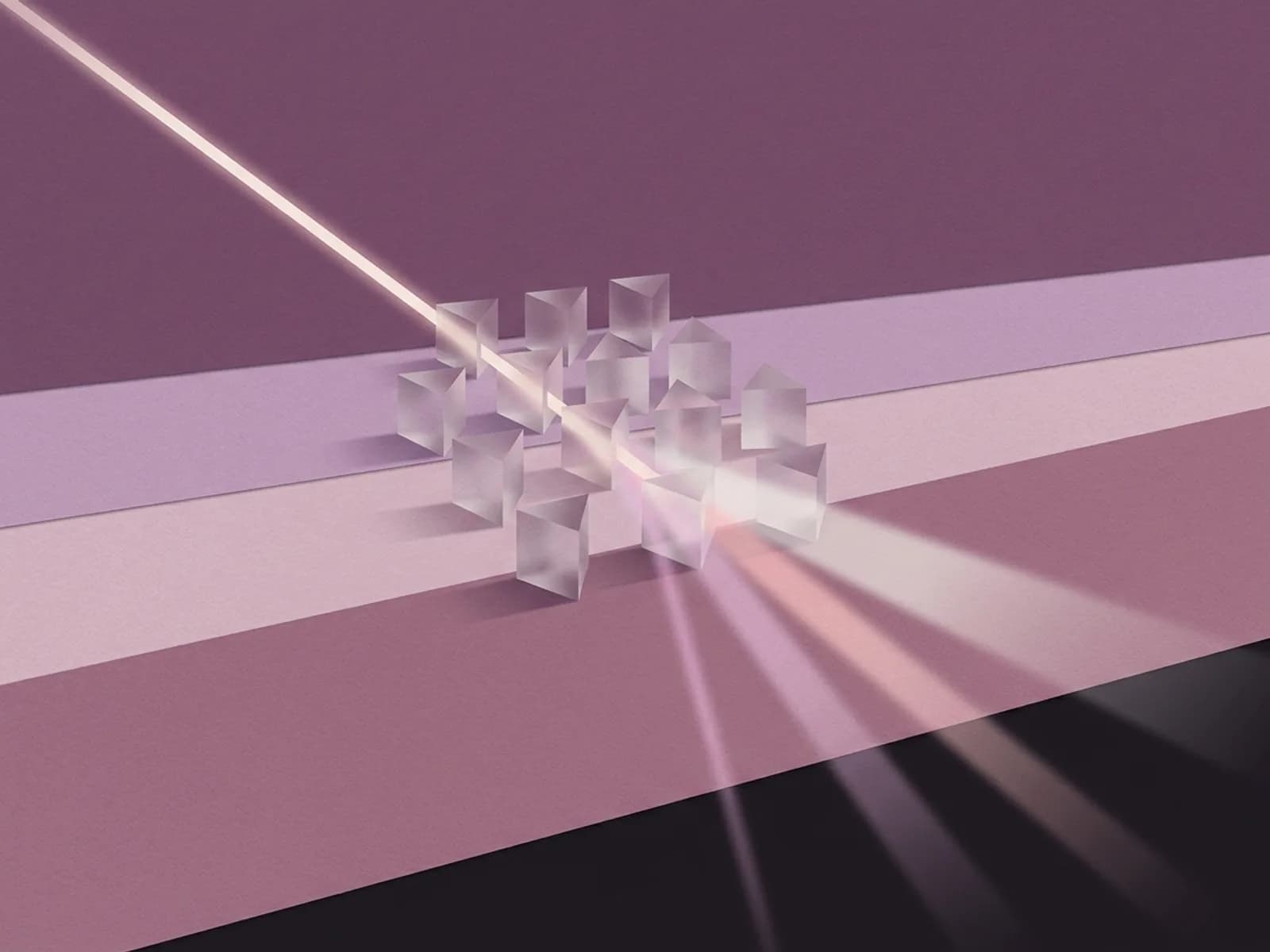
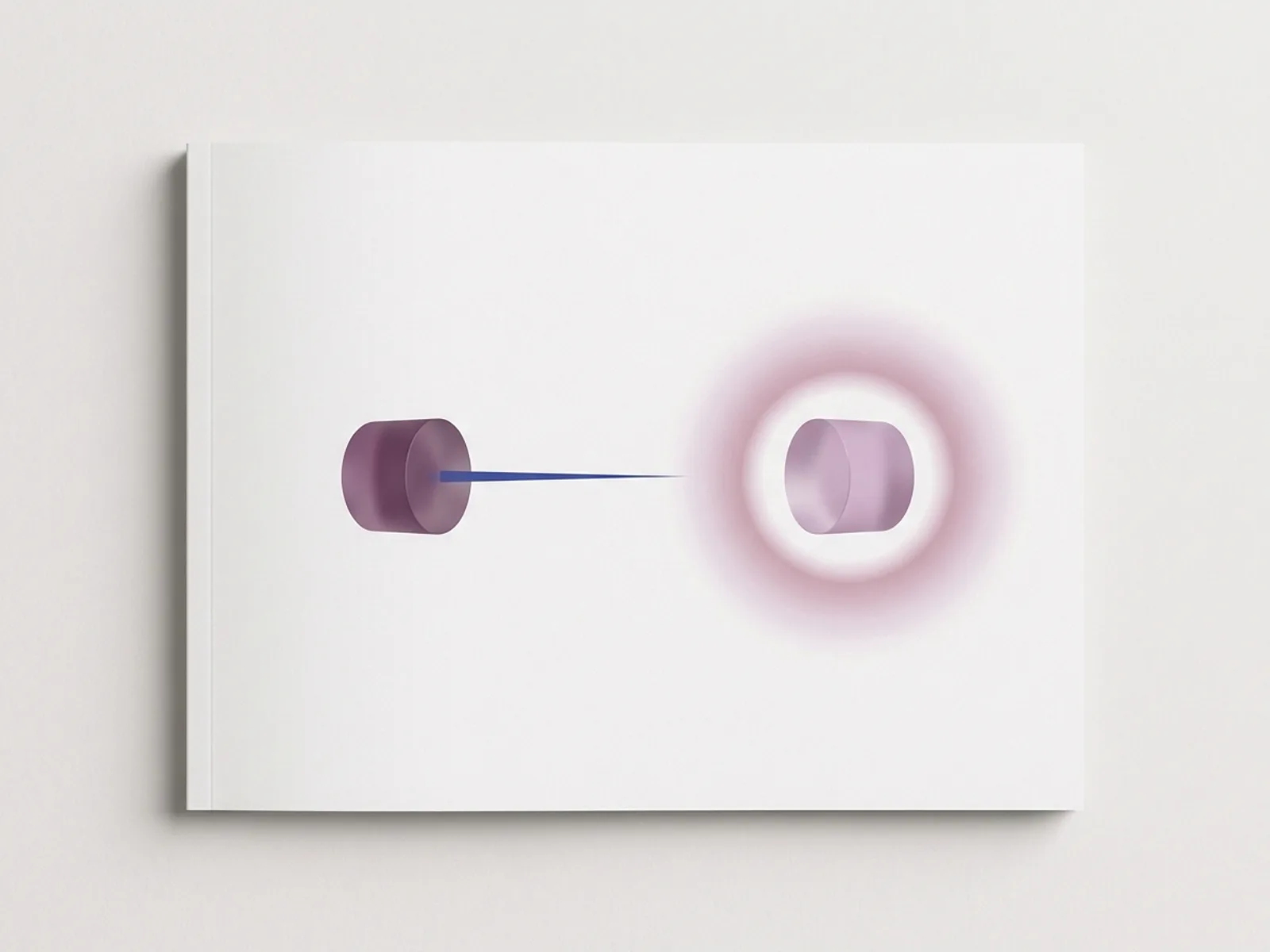
The short answer is no: IPL is not a laser. A true medical laser emits a single, highly focused, coherent wavelength of light tuned to a specific target in your skin. IPL, by contrast, fires a high-intensity flash of non-coherent, broad-spectrum light across a wide range of optical wavelengths (typically spanning 400 to 1,200 nanometers).
The U.S. Food and Drug Administration (FDA) explicitly distinguishes the two technologies across regulatory categories. IPL systems are classified under product code ONF (21 CFR 878.4810) as "Powered Light Based Non-Laser Surgical Instruments With Thermal Effect." In official 510(k) premarket clearance summaries, the FDA states verbatim: "IPL systems are different from lasers in that they deliver many wavelengths in each pulse of light instead of just one wavelength."
For patients, practice managers, and clinical operators deciding between the two modalities, this distinction is far from academic. It dictates treatment safety, session speed, total financial cost, and clinical efficacy. Lasers offer superior precision and peak power for deep hair removal, tattoo removal, targeted vascular lesions, and darker skin tones (Fitzpatrick IV–VI). IPL acts as a broad-spectrum floodlight, making it an efficient, economical choice for widespread sun damage, diffuse facial redness, and light-to-medium skin hair removal, but carrying a significantly higher risk of burns and post-inflammatory hyperpigmentation (PIH) if misapplied to melanin-rich skin.
1. Is IPL Actually a Laser, or Something Different?
To understand why lasers and IPL behave differently in clinical practice, you must understand the underlying physics of light delivery and how photons interact with human tissue.
The Physics: Coherent Monochromatic Light vs. Broadband Pulsed Light
Light-based aesthetic treatments work through selective photothermolysis—a fundamental principle defined by Anderson and Parrish in 1983. Energy from light is absorbed by a specific target chromophore (melanin in hair or pigment spots, oxyhemoglobin in blood vessels, or water in skin tissue), converting light into localized heat to destroy the target while sparing surrounding healthy tissue.
How lasers and IPL deliver that light energy to the skin differs fundamentally in three physical properties:
Monochromaticity: A laser emits a single, precise wavelength (for example, exactly 1064 nanometers for an Nd:YAG laser). Every photon in the beam has identical energy. IPL emits polychromatic light across a broad spectrum (400 nm to 1200 nm). Optical cut-off filters (such as 515 nm, 560 nm, 590 nm, or 640 nm) are placed in front of the flashlamp to block shorter UV or blue wavelengths, but the resulting light remains a broad band of many wavelengths.
Coherence: Laser light waves travel in phase with one another both spatially and temporally, creating a highly organized wave front that can deliver massive energy densities to small targets. IPL light is non-coherent, meaning the light waves are completely out of phase and scatter in multiple directions upon skin contact.
Collimation: A laser beam is collimated, meaning its rays travel parallel to one another with minimal beam divergence over distance. This allows clinicians to focus intense energy onto a tiny, controlled spot size. IPL light is non-collimated; it flashes outward from a large quartz or sapphire crystal block, illuminating a surface area of several square centimeters at once.
| Physical Property | True Medical Laser | Intense Pulsed Light (IPL) |
|---|---|---|
| Wavelength Spectrum | Single monochromatic wavelength | Broad polychromatic band (400–1200 nm) |
| Wave Coherence | Coherent (waves in phase) | Non-coherent (waves out of phase) |
| Beam Collimation | Collimated (parallel beam) | Non-collimated (divergent flash) |
| Target Focus | Pinpoint chromophore specificity | Broad multi-chromophore absorption |
| Energy Density (Fluence) | High peak power per millimeter | Moderate energy spread over large area |
| FDA Device Class | Class II / Class III Laser Device | Class II Non-Laser Light Device |
The FDA Regulatory Classification and Mislabeling Violations
The FDA regulates both lasers and IPL under the same overarching regulation, 21 CFR 878.4810, but it assigns them to different product codes that mark the laser-versus-non-laser distinction. Dedicated IPL systems carry the non-laser code ONF — "Powered Light Based Non-Laser Surgical Instrument With Thermal Effect" — while true lasers carry laser codes such as GEX ("powered laser surgical instrument"). In our analysis of the FDA 510(k) premarket clearance database, a search for intense-pulsed-light and pulsed-light systems returns 58 clearances. Most current IPL platforms are filed under ONF, but a long tail of legacy pulsed-light platforms (from makers such as Palomar and Lumenis) were historically cleared under the laser code GEX or under OHT — a record of how blurred the IPL-versus-laser line has been in the clearance record. Today the practical divide is sharp: true lasers must meet the laser radiation-safety performance standard (21 CFR 1040.10), with laser-class labeling and protective-eyewear requirements that do not apply to broad-spectrum pulsed-light boxes.
Marketing an IPL device as a "laser" is not just technically incorrect — it can raise real legal problems. Adverse-event and complaint narratives filed in the FDA's MAUDE (Manufacturer and User Facility Device Experience) database flag over-the-counter IPL hair-removal devices whose packaging says "IPL technology" while their instructions promise "laser hair removal." Those filings argue that marketing a non-laser device as a laser can constitute deceptive advertising under Federal Trade Commission Act Section 5, and that a true laser would also have to carry the radiation-safety labeling required by 21 CFR 1040.10. These are reporter allegations captured in MAUDE — not formal FDA or FTC enforcement rulings — but they point to the genuine regulatory gap: a true laser must meet the laser radiation-safety performance standard, carry laser-class labeling, and come with protective-eyewear requirements that do not apply to broad-spectrum pulsed-light boxes.
2. Laser vs. IPL for Hair Removal: Which Removes Hair Better and for Whom?
Hair removal is the most common arena where IPL and laser technologies compete. Both target melanin in the hair follicle shaft to thermally destroy the germinal matrix and bulb, but their delivery mechanisms create stark differences in clinical performance and patient suitability.
| Skin Type (Fitzpatrick) | Ideal Laser Wavelength | IPL Suitability & Risk Profile |
|---|---|---|
| Type I–II (Fair skin, light/dark hair) | Alexandrite (755 nm) | Excellent fit; fast treatment |
| Type III (Medium skin, dark hair) | Diode (800–810 nm) | Good fit with 610nm+ cut-off filter |
| Type IV (Olive/Asian skin, dark hair) | Diode (810 nm) or Nd:YAG (1064 nm) | Caution required; 640nm+ filter mandatory |
| Type V–VI (Dark brown/Black skin) | Nd:YAG (1064 nm) ONLY | CONTRAINDICATED; high burn/PIH risk |
In-Clinic Laser Wavelengths
True laser hair removal relies on specific solid-state or semiconductor laser sources engineered for optimal melanin absorption at varying dermal depths:
Alexandrite Laser (755 nm): Has an exceptionally high melanin absorption coefficient. It is extremely effective for fine to coarse dark hair on fair skin (Fitzpatrick I–III), but carries a high risk of epidermal burning on darker skin tones.
Diode Laser (800–810 nm): Offers deep follicular penetration with balanced melanin absorption. It is the most versatile wavelength for medium skin tones and high-volume body hair removal. For a detailed breakdown of 810 nm platforms, see our guide to diode laser hair removal 808nm devices.
Nd:YAG Laser (1064 nm): Bypasses epidermal melanin due to lower absorption coefficients, penetrating deep into the reticular dermis to target hair follicle bulbs. It is the gold-standard wavelength for Fitzpatrick IV–VI skin. Read more in our detailed Nd:YAG laser guide.
IPL for Hair Removal: Mechanics and Limitations
IPL uses long-pass cut-off filters (typically 610 nm, 640 nm, or 690 nm) to isolate longer red and infrared wavelengths for hair reduction. Because the light flash spreads across a wide surface area, the energy density (fluence) reaching any individual hair follicle is lower than that delivered by a collimated laser beam.
Treatment Course & Session Count: Laser typically achieves 80% to 90% permanent hair reduction in 4 to 6 sessions spaced 4 to 8 weeks apart. IPL generally requires 8 to 12 or more sessions for comparable reduction, with a higher frequency of ongoing maintenance treatments.
Hair Color Limitations: Neither laser nor IPL can successfully treat white, gray, blonde, or red hair because these hair shafts lack sufficient eumelanin to absorb optical energy. However, true lasers can target fine light-brown hair that IPL flashes fail to register.
At-Home IPL vs. In-Clinic Systems: Consumer home-use IPL devices (like Philips Lumea or Braun Silk-Expert) operate at low fluence levels (typically 3 to 7 Joules per square centimeter) to meet FDA over-the-counter safety regulations. Medical-grade clinic lasers deliver 15 to 40+ J/cm² under professional supervision. Home IPL offers temporary hair suppression rather than permanent follicle destruction.
3. Laser vs. IPL for Skin Rejuvenation: Pigmentation, Redness, and Sun Damage
For facial photorejuvenation, skin tone evening, and vascular treatment, both technologies play vital clinical roles—but for entirely different dermatological indications.
| Clinical Indication | Preferred Modality | Clinical Rationale |
|---|---|---|
| Diffuse Freckles & Sun Damage (Fair Skin) | IPL / BBL | Broad spectrum treats superficial melanin across full face in fewer passes |
| Isolated Age Spots / Solar Lentigines | Picosecond / Q-Switched Laser | Ultra-short pulse shatters isolated pigment spot without heating surrounding skin |
| Diffuse Rosacea Redness & Flushing | IPL / BBL | Targets superficial capillary networks and diffuse erythema efficiently |
| Isolated Telangiectasias / Spider Veins | Pulsed Dye Laser (PDL) / KTP Laser | 585–595 nm or 532 nm pinpoint vascular absorption coagulates vessel wall |
| Deep Wrinkles, Acne Scars & Laxity | Fractional CO2 / Erbium:YAG Laser | Ablative/non-ablative dermal water heating stimulates structural collagen |
Where IPL Excels: Multi-Concern Photorejuvenation
Because an IPL flash emits light across green, yellow, and red spectrums simultaneously, a single IPL handpiece with a 560 nm filter can target both superficial melanin (brown sun spots) and oxyhemoglobin (redness and broken capillaries) in the exact same pass.
This makes IPL the premier choice for patients with global photoaging—fair-skinned individuals with scattered freckles, mild sun spots, and background flushing. For a deep dive into treatment protocols, see our IPL photofacial guide. Furthermore, advanced broadband light platforms offer refined filter stacking; read how IPL differs from BBL for a comparison of broadband light generations.
Where Lasers Win: Target-Specific and Deep Tissue Concerns
When a skin concern requires high peak power, narrow absorption, or deep penetration, IPL falls short:
Vascular Precision: Isolated facial telangiectasias (visible spider veins around the nose) or stubborn rosacea respond far better to a Pulsed Dye Laser (PDL / Vbeam at 595 nm) or KTP / Nd:YAG laser (532 nm / 1064 nm), which coagulate the specific vessel wall without heating surrounding dermis.
Pigment Specificity & Tattoos: Tattoo ink particles and deep dermal melasma require ultra-short picosecond or nanosecond pulse durations (PicoSure, PicoWay) that shatter pigment acoustically without thermal damage. IPL pulse durations (milliseconds) are millions of times too slow for tattoo removal.
Skin Tightening & Resurfacing: IPL cannot perform structural skin resurfacing. Deep acne scars, coarse wrinkles, and laxity require non-ablative or ablative fractional lasers (Fractional CO2 or Erbium:YAG) that target dermal water to stimulate new collagen synthesis.
4. Which Is Safer for Darker Skin Tones (Fitzpatrick IV–VI)?
Safety in melanin-rich skin is the single most critical line of division between laser and IPL technology.
| Modality / Wavelength | Epidermal Melanin Absorption | Clinical Safety Profile on Dark Skin (Fitzpatrick IV–VI) |
|---|---|---|
| Unfiltered IPL (400–600 nm) | Extremely High | CONTRAINDICATED; severe burn, blistering, and permanent PIH risk |
| Filtered IPL (640–1200 nm) | Moderate | High Risk; requires extreme fluence reduction and expert operator |
| Alexandrite Laser (755 nm) | High | High Risk; prone to epidermal burns on Fitzpatrick V–VI |
| Diode Laser (800–810 nm) | Moderate | Moderate Safety; acceptable on Type IV with active contact cooling |
| Nd:YAG Laser (1064 nm) | Low | GOLD STANDARD SAFE; minimal epidermal melanin absorption |
The Physics of Skin-of-Color Complications
In Fitzpatrick skin types IV, V, and VI, epidermal keratinocytes contain high concentrations of active melanin. When light energy passes through the epidermis:
If the light contains short wavelengths (400–600 nm) or broad unfocused bands, epidermal melanin competes with the deeper target chromophore, absorbing thermal energy before it reaches the hair follicle or dermal target.
This superficial overheating leads to epidermal blistering, full-thickness burns, permanent post-inflammatory hyperpigmentation (PIH), or hypopigmentation (white spots caused by melanocyte destruction).
Because IPL flashes a spectrum of light—even when filtered at 640 nm—some scatter and energy absorption in epidermal melanin is unavoidable. Consequently, IPL is strictly contraindicated for hair removal or rejuvenation on Fitzpatrick Class V and VI skin, and requires extreme caution on Class IV skin. Read our comprehensive analysis of IPL and BBL burn and pigment risks for clinical complication profiles.
The Nd:YAG Solution
For patients with darker skin tones, the 1064 nm Nd:YAG laser is the gold-standard treatment modality. At 1064 nm, melanin absorption is low enough that light energy passes safely through the dark epidermis without overheating it, yet high enough to destroy the dense melanin in the deep hair follicle or target vascular tissue. For explicit safety protocols, review our guide to the best laser for dark skin.
5. Clinical Decision Framework & Failure Case Analysis
To assist patients and clinical directors in selecting the correct modality, consider these documented real-world treatment scenarios and decision rules.
Clinical Scenario A: The Melasma Trap
The Mistake: A patient with dermal melasma undergoes aggressive IPL treatments because med spa marketing advertises IPL for "pigment removal."
The Outcome: Heat from broad-spectrum IPL triggers melanocyte hyperactivity, resulting in severe rebound melasma hyperpigmentation.
The Correct Protocol: Melasma must be treated with low-fluence picosecond lasers, topical tyrosinase inhibitors, oral tranexamic acid, and strict sun protection—never high-heat IPL.
Clinical Scenario B: Paradoxical Hypertrichosis
The Mistake: A patient with fine vellus hair on the neck or face receives low-fluence IPL hair removal.
The Outcome: Sub-thermolytic heating from low-energy IPL stimulates dormant hair follicles into active anagen growth, causing thicker, darker hair to grow (paradoxical hypertrichosis).
The Correct Protocol: Fine facial hair should be treated with high-peak-power Diode or Alexandrite lasers at adequate fluence, or avoided altogether if hair is vellus.
| Patient Concern & Profile | Recommended Modality | Expected Sessions | Key Precaution |
|---|---|---|---|
| Fair skin (I–III) + Scattered freckles & redness | IPL / BBL Photofacial | 3–4 sessions | Avoid sun exposure 4 weeks prior |
| Medium/Dark skin (IV–VI) + Body hair removal | 1064 nm Nd:YAG Laser | 5–7 sessions | Verify active epidermal cooling |
| Isolated facial spider vein on nose wing | 532 nm KTP or 595 nm PDL | 1–2 sessions | Pinpoint spot size; no broad IPL |
| Deep rolling acne scars & coarse texture | Fractional CO2 Laser | 2–3 sessions | 5–7 days social downtime required |
6. Cost, Sessions, and Downtime Compared
Beyond physics and skin safety, practical considerations such as pricing models, session frequency, and recovery windows drive patient decisions.
| Financial & Operational Parameter | Intense Pulsed Light (IPL) | Medical Laser Workstation |
|---|---|---|
| Average Per-Session Cost (Hair Removal) | $150 – $350 | $250 – $600 |
| Average Per-Session Cost (Facial Rejuvenation) | $250 – $450 | $400 – $900+ |
| Sessions Needed (Hair Removal) | 8 – 12+ sessions | 4 – 6 sessions |
| Treatment Interval Window | Every 3 – 4 weeks | Every 4 – 8 weeks |
| Typical Recovery & Downtime | 0 – 2 days (mild redness, micro-crusts) | 0 – 7+ days (varies by laser type & ablation) |
| Total Package Investment | $1,200 – $2,500 | $1,500 – $3,500+ |
Pricing Math: Per-Session vs. Total Value
IPL equipment is generally less expensive for clinics to acquire and maintain than multi-wavelength laser workstations. As a result, med spas often price individual IPL sessions lower than laser treatments.
However, because laser energy is more focused and efficient, patients typically complete their treatment goals in half the number of sessions. When calculating total investment:
IPL Hair Removal: 10 sessions at $200 = $2,000 total.
Laser Hair Removal: 5 sessions at $350 = $1,750 total.
In many cases, true laser treatment yields a lower total cost of ownership for hair removal while saving months of clinic visits. For a broader overview of laser hair removal protocols, refer to our laser hair removal guide.
7. Frequently Asked Questions
Is at-home IPL the same as in-clinic laser hair removal?
No. At-home devices (like Philips Lumea or Braun Silk-Expert) use low-fluence intense pulsed light (typically 3 to 7 Joules per square centimeter) to comply with FDA over-the-counter safety regulations. In-clinic medical lasers deliver 15 to 40+ J/cm² under professional supervision. At-home IPL can temporarily suppress hair growth with frequent maintenance, but cannot match the permanent follicle destruction of medical-grade lasers.
Can IPL or laser cause skin cancer?
No. Neither IPL nor medical lasers emit ionizing radiation (such as UV, X-rays, or gamma rays), which cause cellular DNA mutations linked to skin cancer. Both modalities operate strictly within the visible and near-infrared optical spectrum (400 nm to 1064 nm+), producing thermal energy rather than ionizing damage.
Why do some clinics market IPL as a "laser photofacial"?
Clinics often use "laser" as a generic term because consumers recognize it more readily than "intense pulsed light." However, marketing an IPL device as a true laser can constitute deceptive advertising under FTC Act Section 5, and MAUDE complaint reports have flagged this exact packaging-versus-instruction mismatch on consumer IPL devices. Always ask your provider for the exact equipment brand and model name to verify whether it is a broad-spectrum light box or a true monochromatic laser.
Sources
U.S. Food and Drug Administration (FDA). 510(k) Premarket Notification K192521: Intense Pulsed Light Treatment System (Product Code ONF, 21 CFR 878.4810). CDRH Database. fda.gov
FDA MAUDE Adverse Event Database. Medical Device Reporting MDR 23258703: Adverse-event/complaint report on the INNZA IPL hair-removal device, whose narrative addresses the IPL-versus-laser classification and marketing distinction. Center for Devices and Radiological Health. accessdata.fda.gov
Town G, Ash C, Eadie E, Moseley H. Home-use light-based hair removal devices: a review of safety and efficacy. Journal of the European Academy of Dermatology and Venereology (JEADV). 2012;26(7):799-811. ncbi.nlm.nih.gov/pubmed/22519929
Babilas P, Schreml S, Szeimies RM, Landthaler M. Intense pulsed light (IPL) sources in dermatology: an update. Lasers in Surgery and Medicine. 2010;42(2):93-104. ncbi.nlm.nih.gov/pubmed/20166152
Anderson RR, Parrish JA. Selective photothermolysis: precise microsurgery by selective absorption of pulsed radiation. Science. 1983;220(4596):524-527. ncbi.nlm.nih.gov/pubmed/6836297